A traditional photo booth prints stills, a 360 photo booth spins a camera around a guest for a slow-motion clip, and an AI photo booth uses generative AI to turn one photo into an entirely new video. SnapDance for Events is an AI dance booth that turns guests' photos into videos of them dancing today's viral dances, shown live on the big screen and shared from an event gallery, with no booth hardware and no on-site attendant.
This guide compares all three by setup, cost, staffing and how many guests actually join in, so you can pick the right one, or combine two. See SnapDance for Events for packages starting at $149.
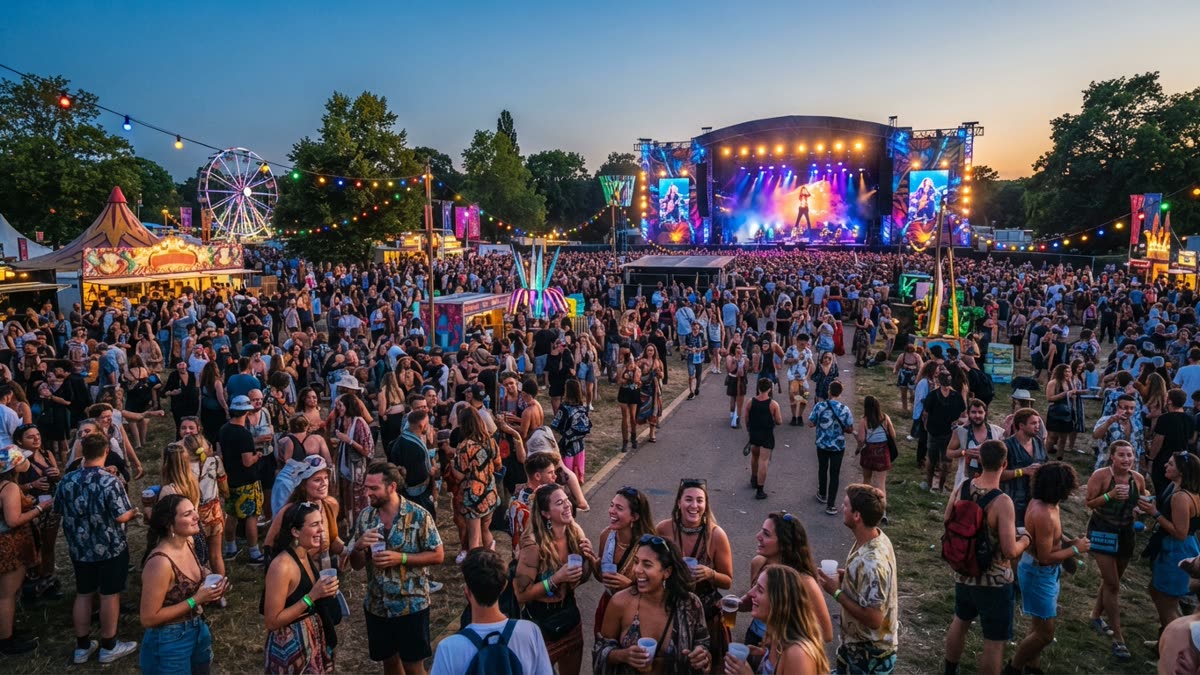
Ask five planners which photo booth to book and you will get five different answers, because "photo booth" now covers three different products. One prints a strip. One spins around you. One turns your selfie into a dance video.
They are not interchangeable, and picking the wrong one is an easy way to spend a rental budget on something a third of the guest list never touches. This guide compares what each option is, how they stack up on budget, space, staffing and shareability, and which one fits which event.
What Is an AI Photo Booth?
An AI photo booth uses generative AI to transform a guest's photo into new content, rather than simply capturing one: a stylised portrait, a new background, or a full video of the guest doing something they never actually did.
An AI photo booth is a category of event activation where a guest's photo is processed by generative AI rather than printed or filtered. SnapDance for Events is one example, an AI dance booth: it keeps the guest's face, outfit and background and generates only the motion, turning a still selfie into a short video of that guest dancing a trending dance.
That distinction matters. A filter that adds a hat or a background is still working with a still photo. An AI dance booth produces something that did not exist a moment earlier: a moving video of the guest dancing, on a screen the whole room can see.
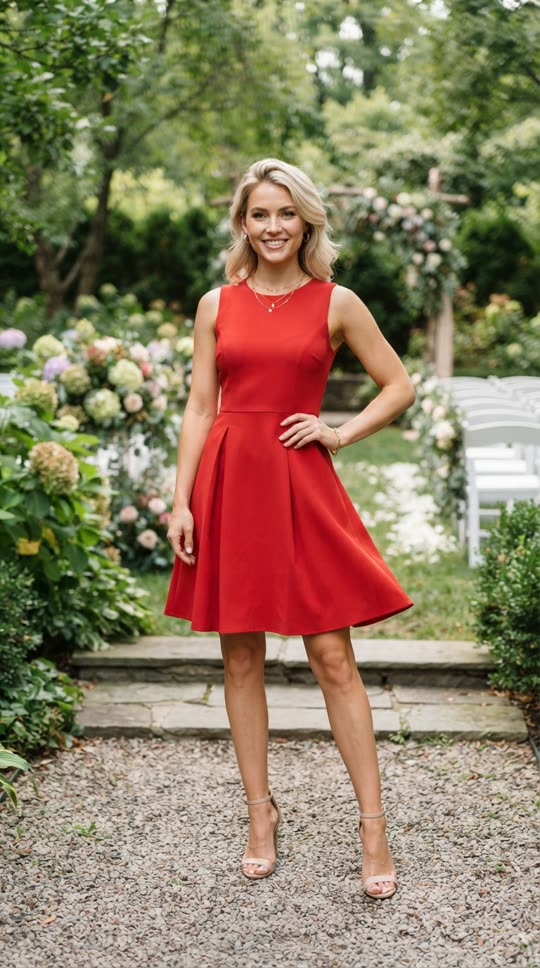
Before: one guest photo
After: her SnapDance video
Same person, same dress, same setting. Only the motion is generated, which is what an AI photo booth actually does.
Because the output is a moving, shareable video rather than a static print, an AI photo booth competes less with the traditional booth and more with the 360 booth, on the strength of what a guest actually posts afterward.
What Is a 360 Photo Booth?
A 360 photo booth, sometimes called a 360 video booth, is a platform with a robotic camera arm that orbits a guest, capturing a slow-motion video from every angle in a few seconds. It is one of the fastest-growing formats in the wider photo booth industry, and it is easy to see why: nothing else produces that dramatic, sweeping shot from a single stationary setup.
The trade-off is that a 360 booth asks a guest to perform. They step onto a platform, strike a pose or throw a move, and the camera does the rest while the room, or at least a queue, watches. That works brilliantly for guests who enjoy the spotlight; far less well for the aunt at table nine who would rather not be the one everyone is looking at.
360 booths also come with real physical requirements: a platform with safety clearance, a lighting rig, usually a backdrop, and an attendant who resets the platform between takes.
What Is a Traditional Photo Booth?
A traditional photo booth is the enclosed or open-air setup most people picture first: a camera, a backdrop, a prop table, and a printer that hands guests a strip or a single photo within a minute or two. It has been a wedding and party staple for years, and open-air setups added a bigger backdrop and more guests in frame at once.
Its strength is the physical keepsake: a printed strip in a scrapbook is a different kind of memory than anything on a phone. Its limitation has always been the same one: guests get a still image, and unless someone photographs the print again, it rarely travels beyond the person who took it home.
How Each One Actually Works
The workflow behind each activation explains most of the differences a planner cares about.
Traditional photo booth: queue, pose, print
- The booth is delivered, set up and tested by the rental company.
- Guests queue at the booth, usually a handful at a time.
- An attendant runs the session and often helps with props.
- The strip or print comes out of the booth within a minute or two.
- Guests keep the physical print; a digital copy may be emailed afterward.
360 photo booth: step up, spin, share
- The platform, camera arm and lighting are delivered and set up ahead of time.
- An attendant briefs each guest or group on where to stand.
- The camera arm orbits the platform while the guest poses or moves.
- The slow-motion clip renders in seconds and is sent to the guest's phone.
- The guest shares it directly to social media from their own device.
AI photo booth (SnapDance): scan, snap, dance
SnapDance for Events runs in two modes, and neither one needs a rented rig.
- Guest Mode, self-serve: a guest scans a QR code on the table cards, the step-and-repeat or the screen itself.
- They snap a selfie or upload a photo already on their phone.
- They pick a dance, or tap Surprise Me and let SnapDance choose a trending one.
- The AI generates the video with no manual step in between.
- It appears on the big screen and in the shared event gallery within a few minutes.
- Surprise Mode, staff-run: the event's own team photographs guests on one iPhone, batch uploads, and SnapDance auto-assigns a dance to every guest for a coordinated big-screen reveal.
Guest Mode: no app, no attendant, just a QR code
Notice what is missing from the AI photo booth workflow: no delivery truck, no platform, no printer, and no attendant standing at a booth all night. That gap drives most of the rest of this comparison. Want the full walkthrough? See Guest Mode and Surprise Mode on the SnapDance for Events page.
AI Photo Booth vs 360 Photo Booth vs Traditional Booth: Side by Side
Here is how the three typically compare across the factors planners budget and staff around.
| Traditional photo booth | 360 photo booth | AI photo booth (SnapDance) | |
|---|---|---|---|
| What guests get | Printed strip, GIF or digital still | A slow-motion orbiting video clip | A video of themselves dancing a viral trend |
| Equipment | Booth, camera, lighting, backdrop, printer | Platform, rotating camera arm, lighting | Guests' own phones, or one staff iPhone |
| Floor space | A dedicated corner plus queue | A platform with safety clearance | None |
| On-site attendant | Usually required | Usually required | Not needed; guests or your own staff run it |
| Guest performs on camera? | Briefly, in front of a small queue | Yes, on a platform others can see | No, just one photo; the "performance" is generated |
| Who actually joins in | Guests willing to queue | Guests comfortable performing on camera | Anyone who can take one photo |
| Big-screen moment | Rarely | Sometimes, on a nearby monitor | Built in, including a coordinated surprise reveal |
| Output format | Still image | Short vertical video | Short vertical video |
| Your branding | Print overlay | Video overlay | White-label screen, guest flow and videos |
| Typical pricing model | Per hour, plus attendant | Per hour, plus attendant | Per event, by guest count |
Rental prices for traditional and 360 booths vary by market, hours booked and add-ons, which is worth getting from a couple of local quotes rather than a blog post. For the full breakdown, including where the hidden fees hide, see our photo booth rental cost guide for 2026.
Audiences consistently engage more with short, vertical video than with still images, which is a big part of why both 360 booths and AI photo booths have gained ground on the traditional print (Sprout Social, 2026 social video statistics).
Which One Fits Your Event?
There is no single right answer, only the right one for your guest list, venue and budget. Here is a starting point by event type.
Corporate
Weddings
Galas
Parties
Birthdays
Example guests across event types, each turned into a dance video from one photo.
Weddings
Weddings have the widest age range of any guest list here, from the flower girl to the grandparents. A 360 booth pulls in the wedding party and the confident dancers; it is less likely to pull in grandma. An AI photo booth pulls in nearly everyone, since the only thing anyone has to do is smile for a photo. Plenty of couples keep a traditional booth for the keepsake and add an AI dance booth as the moment that gets shared. See our unique wedding reception entertainment ideas for how planners sequence this through the night.
Corporate events and galas
Corporate crowds are often more reserved on camera, at least until they see a screen full of colleagues already having fun. A 360 booth's queue can stall there, while an AI photo booth's low commitment, one photo, no performance, tends to clear that hesitation, especially with white-label branding tying it back to the company or sponsor.
Birthdays, milestones and parties
Parties are where a 360 booth genuinely shines, since a room full of friends who already want to show off is its ideal audience. An AI photo booth still adds value here: the guest of honor and the shyer relatives get their moment too, without stepping onto a platform.
Festivals and large activations
At scale, floor space and queue time become the real constraint. A traditional or 360 booth has a hard ceiling on guests processed per hour. Guest Mode has effectively no queue, since every guest uses their own phone at once, and multi-station Surprise Mode lets several staff shoot different zones of a large activation at the same time.
See which package fits your guest count
Compare Guest Mode, Surprise Mode and white-label branding on the SnapDance for Events page.
See SnapDance for Events Pricing8+ Interactive Ideas Beyond the Booth
No booth type has to carry the whole night by itself. The best events pair one photo activation with other things that get guests doing something, not just watching:
- Live polling on the big screen. Guests vote from their phones on anything from a trivia question to "best dressed," and results update live, which is also a natural place to route your AI photo booth's reveal moment.
- A custom cocktail or mocktail bar with a signature drink named for the guest of honor, the couple or the brand.
- A song-request wall where guests submit tracks for the DJ, either on paper cards or through a simple form.
- An audio guest book: a vintage phone or a recording booth where guests leave a voice message instead of writing in a book.
- Lawn games such as giant Jenga or cornhole for outdoor cocktail hours and garden receptions.
- A live caricature or portrait artist, who produces a different kind of physical keepsake than any booth.
- Team trivia tied to the couple, the company or the milestone being celebrated.
- A venue scavenger hunt, with clues that lead guests to different corners of the event.
- An AI dance booth reveal, timed for a lull in the schedule, using Surprise Mode to turn a batch of guest photos into a big-screen moment the whole room watches together.
- A traditional or 360 booth for keepsakes, run alongside the AI photo booth so guests leave with both a print and a video.
A couple of these pair naturally with SnapDance's big-screen reveal: run the scavenger hunt or trivia round first, then close with the reveal, so the room's attention is already on the screen when the dance videos start playing.
Setup, Staffing and Space, Compared
The equipment and staffing gap between these three options is the biggest factor in what they cost and how much coordination they take on the day.
- Traditional photo booth: a booth, backdrop and prop table delivered and set up in advance, plus an attendant on site for the duration.
- 360 photo booth: a platform, rotating camera arm and lighting rig, delivered, calibrated and staffed by an attendant throughout the event.
- AI photo booth (SnapDance), Guest Mode: guests' own phones, printed QR codes on tables or signage, and a screen or projector to display results. No delivery, no rig, no attendant.
- AI photo booth (SnapDance), Surprise Mode: one iPhone for your own staff to shoot with, no special camera or lighting needed.
All three need a stable internet connection at the venue; for SnapDance, venue Wi-Fi or a mobile hotspot is generally enough, and it is worth confirming connectivity with the venue ahead of time.
On generation time: an AI photo booth video typically takes a few minutes to produce, depending on the photo and load, unlike a 360 booth's near-instant render. That short wait is exactly why the big-screen reveal works: photos go in during one part of the night, and the payoff lands later as its own moment.
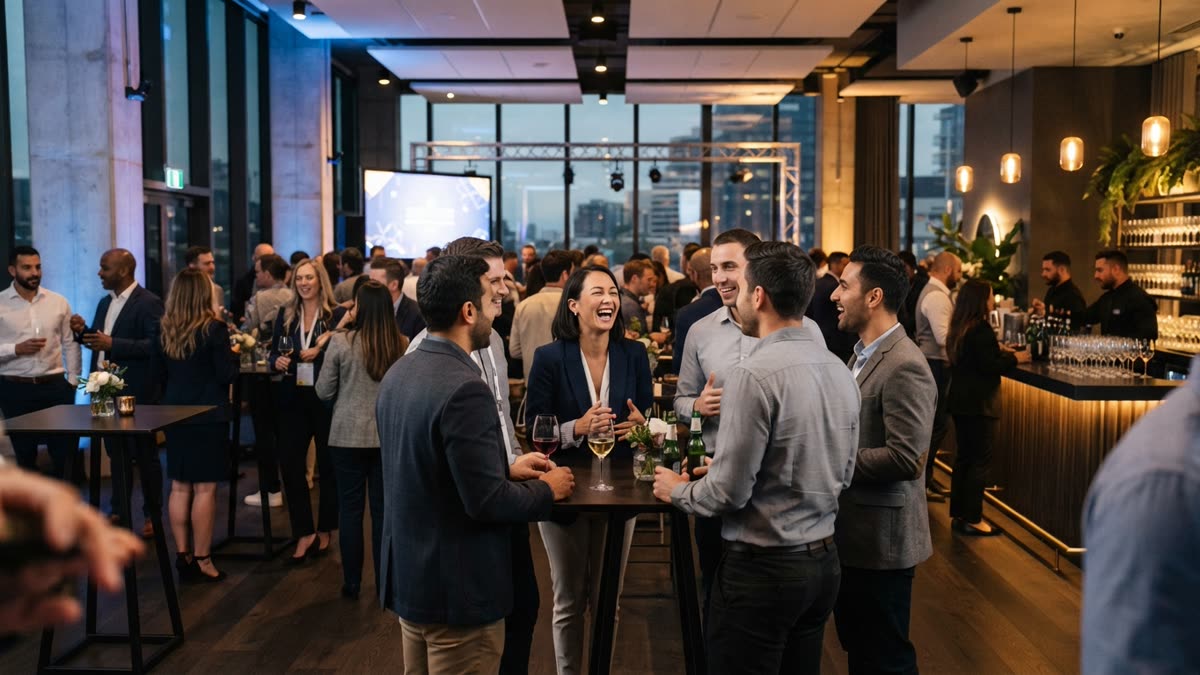
Skipping the rig and the attendant also makes an AI photo booth the easiest of the three to resell as your own line item: no vendor to coordinate, no hardware to insure, and your own staff or the guests run it, which is also how SnapDance's white-label branding puts your logo, not ours, on the screen and every video.
Ready to add an AI photo booth to your next event?
Compare Guest Mode and Surprise Mode, see the trending dance library, and get white-label branding on your proposal.
Explore SnapDance for EventsPlanning something with more than 150 guests? Request a custom quote.
Final Thoughts
A traditional photo booth, a 360 photo booth and an AI photo booth answer slightly different questions. One gives you a keepsake. One gives you a spectacle for the confident guests. One gets nearly everyone in the room onto the big screen, whether or not they would ever step onto a platform.
The deciding factors are usually the same three: how much guests are willing to perform, how much floor space and staffing you can spare, and whether you need a still print, a video, or both. Plenty of the best events end up combining two.
Frequently Asked Questions
What is the difference between an AI photo booth and a 360 photo booth?
A 360 photo booth spins a camera around a guest standing on a platform to capture a slow-motion orbit clip. An AI photo booth, like SnapDance for Events, uses generative AI to turn a single guest photo into a new video, such as that guest dancing a trending dance, without any platform or camera rig.
Is a 360 photo booth worth it for a wedding or corporate event?
A 360 photo booth is worth it when a venue has the floor space for the platform and safety clearance, and the budget for the rig and an attendant. It produces a distinctive slow-motion video, but it needs guests willing to perform in front of a crowd, which limits how many people actually use it.
Do AI photo booths need an attendant on site?
No, not with SnapDance for Events. Guests scan a QR code and run the whole process on their own phone in Guest Mode, or an event's own staff shoots photos on one iPhone in Surprise Mode. Neither mode requires a SnapDance attendant at the venue.
What equipment does an AI photo booth need compared to a 360 booth?
A 360 photo booth needs a rotating camera arm, a platform, lighting and usually a backdrop. An AI photo booth like SnapDance needs only guests' own phones or one staff iPhone, plus a screen or projector to display the results, with no platform or rig to deliver and set up.
Which type of photo booth produces the most shareable content?
Both 360 video booths and AI photo booths produce vertical video built for social feeds, which outperforms still photos for shares. An AI dance booth adds a further hook because the video shows the guest doing a dance that is already trending, which is the kind of content people are more likely to post rather than just save.
Can I use more than one type of booth at the same event?
Yes. Many planners keep a traditional photo booth or a photographer for portraits and add an AI dance booth as the moment that gets the whole room on the big screen, since it needs no extra floor space or vendor coordination to run alongside another activation.
How much does an AI photo booth cost compared to a 360 booth?
SnapDance for Events is priced per event rather than per hour: Mini Event $149 for up to 25 guests, Intimate Event $299 for up to 50 guests, Signature Event $699 for up to 150 guests, and a custom quote above 150 guests. Traditional and 360 booth rentals are typically quoted per hour plus an attendant fee, so the total varies with event length.
Do guests need an app to use an AI dance booth?
No. In Guest Mode, guests scan a QR code and everything runs in their phone's browser, with nothing to install. In Surprise Mode, guests do not need to do anything at all, since event staff take the photos.