The fun corporate party activities that actually work share three traits: they are opt-in rather than performed, they do not put any one employee on the spot in front of the room, and they produce something worth sharing afterward, a photo, a video, a score. Trivia, a scavenger hunt, and a self-serve photo or AI dance booth all meet that bar. A forced icebreaker with a microphone usually does not.
This guide covers interactive corporate event ideas that hold up against that test, with SnapDance for Events as one option for the shareable moment.
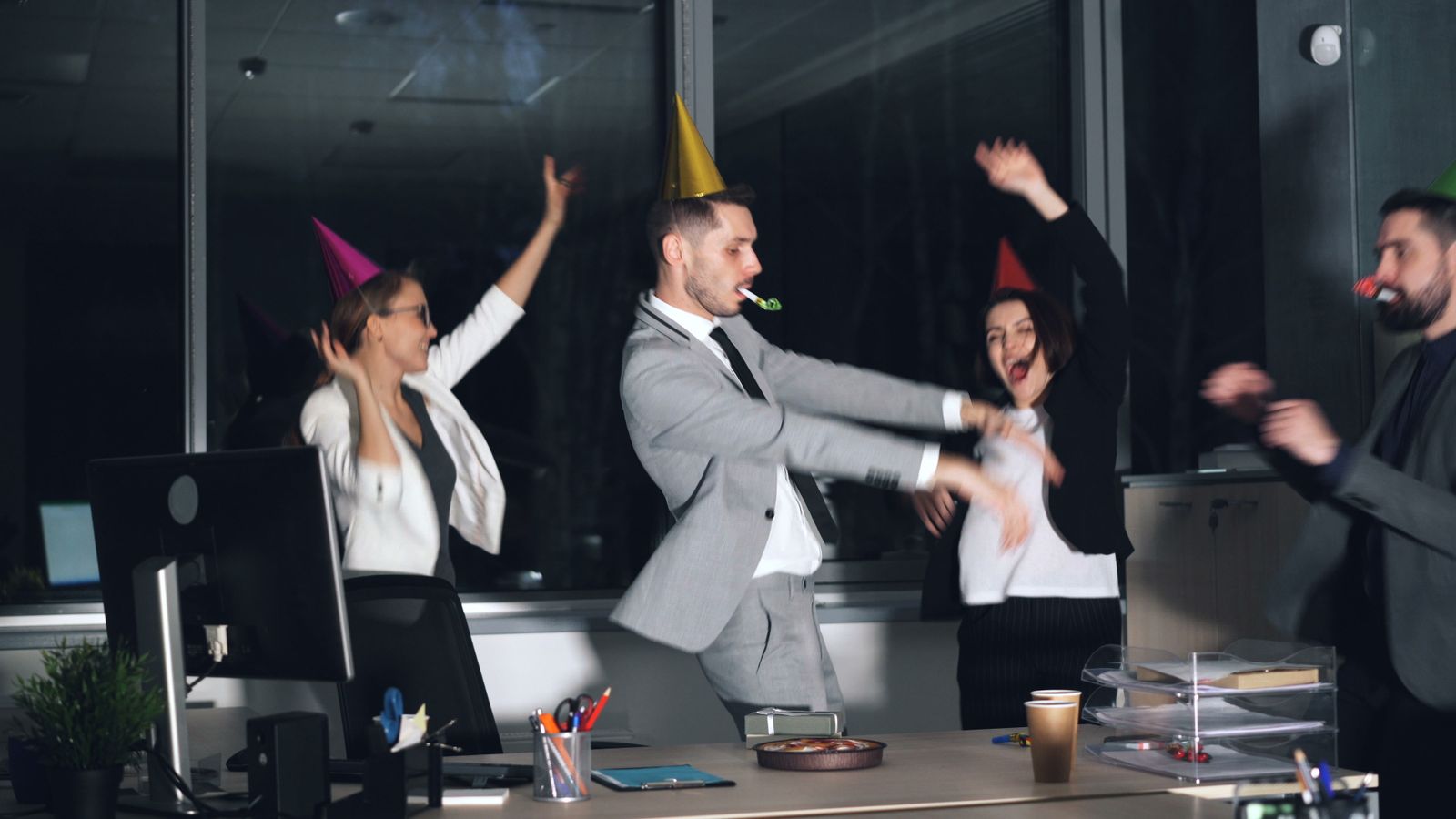
Every HR team and events lead has sat through the same meeting: someone suggests an icebreaker, someone else points out that nobody has ever enjoyed an icebreaker, and the party gets planned with an open bar and a hope. The problem is not that employees dislike fun. It is that most "fun corporate party activities" on a standard vendor list are built to be watched or performed, not joined.
The Test for Whether an Activity Will Actually Land
Can an employee opt in without anyone noticing if they opt out? Does it avoid putting any single person on the spot in front of the room? Does it produce something worth sharing afterward, like a photo, a video or a score? An activity that fails any of the three is a gamble, not a sure thing.
Most of the activities that get remembered as the good part of the party pass all three questions without anyone designing for them on purpose. A photo backdrop works because it is opt-in and produces a keepsake. A trivia game works because teams share the risk of a wrong answer. A karaoke machine, by contrast, fails the second question outright, and that is why it tends to be enjoyed by the same three people every year while everyone else watches from a safe distance.
Interactive Corporate Event Ideas That Pass the Test
Here are the ones that consistently hold up, independent of whether SnapDance is involved:
- Team trivia built around company history rather than generic pub-quiz questions, so inside jokes do real work.
- A cross-department scavenger hunt that forces people who do not normally sit near each other onto the same team.
- A branded photo booth or step-and-repeat near the entrance for a formal, opt-in keepsake shot.
- A hands-on demo or workshop station, such as a cocktail-building class, that gives people something to do with their hands while they talk.
- Live polling tied to a company update, which turns a passive announcement into something the room shapes.
- A hashtag or social wall streaming tagged posts live on the lobby or party screen.
- A self-serve AI dance booth, run in Guest Mode for ambient participation or Surprise Mode for a coordinated reveal later in the night.
Notice the pattern: every one of these lets an employee decide, in the moment, whether to take part, and every one of them gives the participant something to walk away with.
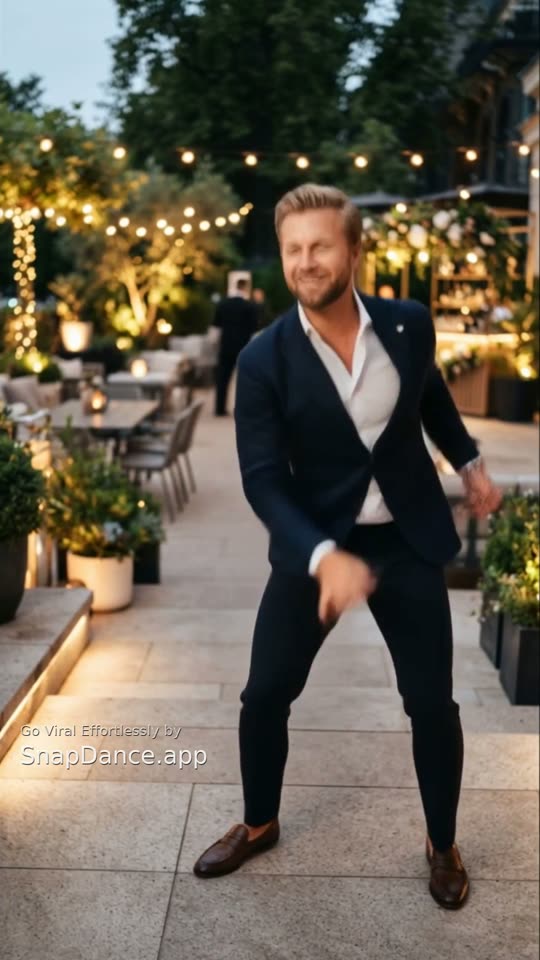
A Self-Serve AI Dance Booth as the Shareable Moment
An AI dance booth is a good example of what passes the test, so it is worth walking through why. A guest takes a quick photo of themselves at the party:

Before: one employee photo
After: the same person, same outfit, now dancing
Only the motion is generated. The face, outfit and background stay exactly as photographed.
It runs two ways. Guest Mode puts a QR code on tables or the bar, and employees try it whenever they take a break from conversation, with no schedule slot required. Surprise Mode has one staff member photograph guests on a single iPhone through the night for a coordinated reveal on the big screen later, which works well as a scheduled peak moment rather than an ambient activity. Either way, nothing requires a single employee to perform in front of the room, and the result is a video worth posting rather than a still photo that sits in a shared drive.
Add a self-serve activation employees actually try
See Guest Mode and Surprise Mode, pricing by guest count, and white-label branding on the SnapDance for Events page.
Explore SnapDance for EventsWhat Tends to Fall Flat
A few patterns show up reliably when a corporate party activity gets remembered as the awkward part of the night rather than the fun part:
- Anything built around a microphone and volunteers. It works great for the volunteers and for nobody else.
- Mandatory participation. Framing an activity as required turns an opt-in moment into a chore.
- Equipment that needs a tutorial. If employees need instructions longer than a sentence, most will quietly skip it.
- An activity with no takeaway. If nothing is produced to keep or share, the activity competes directly with just standing at the bar, and the bar usually wins.
What It Costs
Cost varies widely by format. A trivia host or game-show company is typically priced by the hour. A traditional photo booth is usually priced by the hour plus an attendant fee. SnapDance for Events is priced per event by guest count instead: Mini Event is $149 for up to 25 guests, Intimate Event is $299 for up to 50, and Signature Event is $699 for up to 150 guests, the most popular tier for a mid-size office party, with a custom quote for Large Events & Activations. There is no booth hardware to rent and no on-site SnapDance attendant required.
For more corporate entertainment ideas by event format, see our full guide to corporate event entertainment and activation ideas, and if you are planning something for December, our piece on creative Christmas corporate party ideas covers the seasonal version of this same problem.
Frequently Asked Questions
What makes a corporate party activity actually fun instead of forced?
The activities employees respond to best are opt-in rather than performed, give a shareable result (a photo, video or score), and do not require singling anyone out in front of the room. A self-serve photo or AI dance booth, a team trivia game, and a low-pressure group competition all meet that bar, while forced icebreakers and microphone-based games tend to miss it.
What are some interactive corporate event ideas beyond the usual trivia night?
Beyond trivia, planners are running branded photo or AI dance booths, scavenger hunts that mix departments into one team, live polling tied to a company update, and hands-on stations like a cocktail-building class, all of which give employees something to do with their hands rather than something to passively watch.
How do I get employees to actually participate instead of standing by the bar?
Participation goes up when the activity is low-barrier (no sign-up, no instructions beyond scanning a code), low-risk (nobody is put on the spot alone), and produces something worth sharing. An activity that competes with standing at the bar needs to be at least as easy as standing at the bar.
What is an AI dance booth and how does it fit a corporate party?
An AI dance booth turns a single employee photo into a short video of that person dancing a trending dance, shown on the big screen and collected in an event gallery. At a corporate party it works well as a self-serve activity employees try between conversations, with no booth hardware or on-site attendant needed.
How much do fun corporate party activities typically cost?
Cost varies by format: a trivia host or game-show company is typically priced by the hour, a branded photo booth is usually priced by the hour plus an attendant fee, and SnapDance for Events is priced per event by guest count, from $149 for up to 25 guests to $699 for up to 150 guests, with a custom quote above that.
Can corporate party activities carry our company branding?
Yes. SnapDance for Events supports white-label branding, so the company's logo can appear on the big screen, the guest flow and every video, which is commonly used for internal parties, client events and sponsor activations alike.