Choose a 360 booth when you want a hosted, physical attraction that films guests as they really are, and you have the space, power and staff for it. Choose an AI video booth such as SnapDance when you want no hardware and no operator, with a dance video on each guest's phone, and the venue has dependable connectivity. Many events could use either, and some use both. The deciding factors are usually staffing, the venue's signal and whether you want real footage or a playful generated clip.
The decision in one paragraph
A 360 booth and an AI video booth solve different problems, so the choice is less about which is better and more about what you want guests to do and remember. A 360 booth is a physical attraction: a platform, a camera that moves around the guests, and usually an operator who runs it. An AI video booth, in the sense this guide uses the term, is software. Guests send in a photo and get back a generated video of themselves doing a dance.
We make one of these. SnapDance is an AI video product, so we have an obvious interest in how this comparison turns out. We will try to be fair, including about the situations where you should book the 360 booth and not us.
The questions that settle most cases are these: do you want a physical centerpiece in the room, who will staff it, how reliable is the venue's connection, and do you want footage of guests as they actually are or a playful clip they could not have filmed themselves.
What each option actually is
A 360 booth
Guests step onto a platform while a camera on an arm or rig circles around them. The result is a dramatic video of real people at your event, usually shot in groups. It needs floor space, power, transport, setup and teardown, and normally someone to run it and coach guests through it. Pricing and terms vary a lot by operator, so we will not put figures on it here. Get quotes from the operators you are considering.
An AI video booth
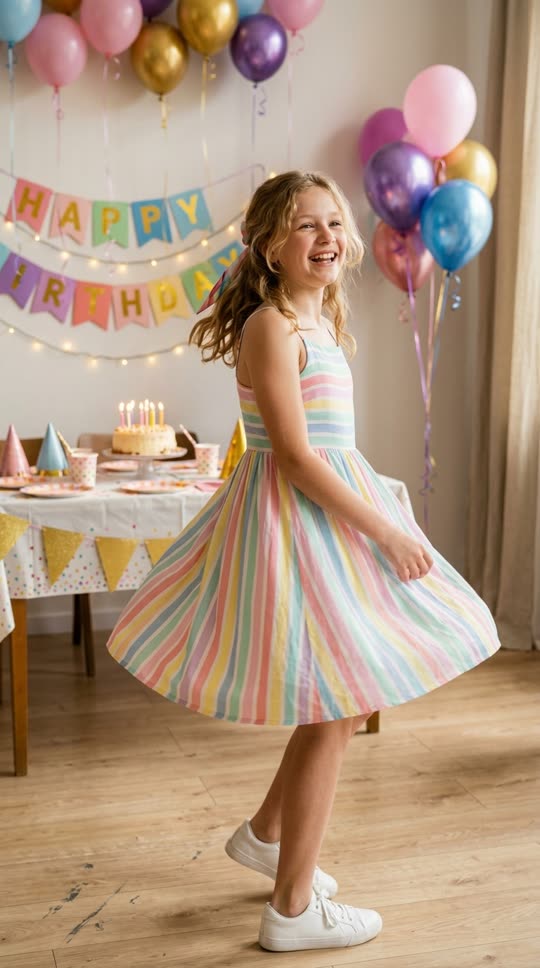
SnapDance works like this. Guests scan a QR code, take or upload one photo, and pick a dance from a library of templates based on real choreography. They then get their own video on their phone. The clip is generated, not filmed: the AI renders that person doing the chosen dance. Output is typically 10 seconds, with 20 and 30 second lengths on some dances, and rendering takes a few minutes.
On the planner side, a venue screen can play videos as they finish, your logo and text can be placed on every video, and photos go through a moderation check before rendering. There is also a surprise mode, where staff photograph attendees so the videos can be revealed together. There is no hardware, no transport and no operator.
Side by side
This table compares the two on the points that most often decide a booking. The 360 column describes the format in general terms, because operators differ.
| Question | 360 booth | AI video booth (SnapDance) |
|---|---|---|
| What guests get | Real footage of themselves and their friends at the event | A generated clip of one person doing a library dance |
| Hardware on site | Platform, camera rig, lighting, power | None. Guests use their own phones |
| Staffing | Usually an operator | No operator, but someone needs to tell guests it exists |
| Pricing model | Varies by operator, often by time booked | Per video, not per hour |
| Waiting | Guests often see their clip quickly after filming | A few minutes of rendering per video |
| Venue dependency | Floor space, power, load-in access | Connectivity. Poor reception is a bad fit |
| Group shots | Suits small groups together | One person per video, from one photo |
| Creative control | Overlays and branding vary by operator | Logo and text on every video, but only dances from the library |
| Presence in the room | A visible attraction people gather around | A QR code and, if you wish, a screen |
When a 360 booth is the better choice
There are plenty of cases where we would tell you to book the 360 booth.
- You want a centerpiece. A booth with an operator and a queue becomes a place guests gather. A QR code on a table does not do that on its own.
- You want real footage. If the point is a record of these particular people at this particular party, filming them is the honest answer. A generated dance clip is a different thing.
- You want groups. A friend group or a wedding party spinning together is the classic use. An AI dance video starts from one person's photo.
- The venue has weak reception. An AI booth that cannot reach the internet cannot render anything. A self-contained physical booth does not have that problem in the same way.
- You want a hosted experience. A good operator makes shy guests comfortable and keeps the line moving. Software does not do that.
The trade-off is logistics. You need space and power, you need load-in access, and you are depending on an operator showing up and running it well.
Before: one guest photo
After: the video made from that photo
When an AI video booth fits better
SnapDance suits a different set of events, and the common thread is a lack of physical room or people.
- No space or no staff. Conferences, trade show floors, restaurants and venues where a platform and an operator are impractical or expensive to arrange.
- Everyone should get one. Because it runs on guests' own phones, there is no queue at a single device. People can make theirs whenever they have a moment.
- Brand activations. Your logo and text go on every video, which suits sponsors and campaigns that want the output to carry a mark. A venue screen can show videos as they finish.
- Coordinated reveals. Surprise mode lets staff photograph attendees and reveal the videos together, which works for team events and launches.
- Planners, DJs and booth operators adding something. There is nothing to transport, so it can be added to an existing job without extra gear.
It is also worth saying what it cannot do. The dance has to be in the library. If a guest or a client wants a specific movement that is not there, the answer is no. Guests are also getting an AI render of themselves, so it works best when the playful, shareable result is the point.
What goes wrong with an AI video booth
We would rather you hear this from us than find it out on the night.
Connectivity. SnapDance depends on the venue's connection. Guests upload a photo and get a video back, and both steps need a working signal. If the venue has bad reception, it is a bad fit. Check this when you visit the space, not the week before.
Nobody announces it. This is the other thing that goes wrong. A QR code with no explanation tends to be ignored. Without an operator, someone needs to take on the job of telling guests: the host, the DJ, a line in the program, a sign at the bar, or a screen that shows videos as they finish and makes people curious. Plan that before the event, not during it.
The wait. Rendering takes a few minutes. That is fine if guests make a video and carry on with the party, and a poor match if you expect instant results at a booth where people stand and wait.
Moderation. Photos go through a moderation check before rendering. That protects your brand, but it means not every submitted photo will produce a video.
How the pricing differs
The two options are bought in different ways, which matters when you build a budget. SnapDance events are priced per video, not per hour. The published packages are:
- Mini Event: $149 for 25 videos
- Intimate Event: $299 for 50 videos
- Signature Event: $699 for 150 videos, which works out to $4.66 per video
- Large Events & Activations: a custom quote
Extra video packs exist, but they are not priced publicly, so ask rather than assume. Per-video pricing means you are buying a number of videos and not a block of time. The sensible way to choose a package is to estimate how many guests will realistically make one, and to be honest that not everyone will. A 360 booth is typically bought around the time it is on site, so you would compare quotes from operators on their own terms. We are not going to guess at those numbers.
A short checklist before you decide
- Is there floor space, power and load-in access for a physical booth, and a budget for an operator?
- Does the venue have dependable reception where guests will be standing? If not, rule out the AI option.
- Do you want real footage of real groups, or a playful clip for each individual?
- Who will tell guests the AI booth exists, and how?
- Do you need logo and text on every video, a live screen or a coordinated reveal?
- Would both work together, with the 360 booth as the centerpiece and the AI videos as something guests make from their seats?
If you want to judge the quality of the output before deciding, try the consumer app with your own photo. New accounts get free credits before any payment, and free renders carry a small watermark, while paid credits and a subscription render clean.
You can test the guest experience yourself by trying the app on your own photo.
If you are planning for a group, the events product is where the QR flow, screen display, branding and packages live.
To see packages, branding and surprise mode, look at the events product for planners.
Questions people ask
Is a 360 photo booth or an AI video booth better for a wedding?
It depends on what you want. A 360 booth films real guests, usually in groups, and gives you a physical attraction with an operator. An AI video booth gives each guest a generated dance video from one photo, with no hardware or staff. Many couples prefer real footage of their friends, so a 360 booth is often the safer pick, while the AI option suits couples who want something playful that guests make on their own phones.
Can an AI video booth run at an event without any staff?
Yes, there is no operator or hardware, because guests scan a QR code and use their own phones. What it does need is someone to announce it. A QR code that nobody mentions tends to be ignored, so assign the host, DJ or a sign to tell guests it exists.
How long does an AI dance video take to make at an event?
Rendering takes a few minutes per video. The clips are typically 10 seconds long, with 20 and 30 second lengths on some dances. Guests usually start one and return to the party while it renders.
What happens if the venue has bad Wi-Fi or mobile reception?
An AI video booth depends on the venue's connectivity, because photos are uploaded and videos come back over the network. If reception is poor, it is a bad fit and a self-contained physical option such as a 360 booth is the better choice. Test the signal where guests will actually stand.
How much does an AI video booth cost for an event?
For SnapDance events, pricing is per video, not per hour. The published packages are Mini Event at $149 for 25 videos, Intimate Event at $299 for 50, and Signature Event at $699 for 150, which is $4.66 per video. Large Events & Activations is a custom quote. Extra video packs are not priced publicly, so you would need to ask.
Can guests choose any dance they want in an AI video booth?
No. Guests pick from a library of dance templates based on real choreography. If a dance or movement is not in the library, it cannot be requested.