Our reading for 2026, which is judgment and not survey data: corporate holiday parties are moving toward entertainment guests keep on their phones, participation without a stage, personalized AI video with explicit consent, and pricing by output with fewer logistics. SnapDance makes products in this area, and they are a poor fit for venues with weak reception or parties where nobody tells guests the activity exists.
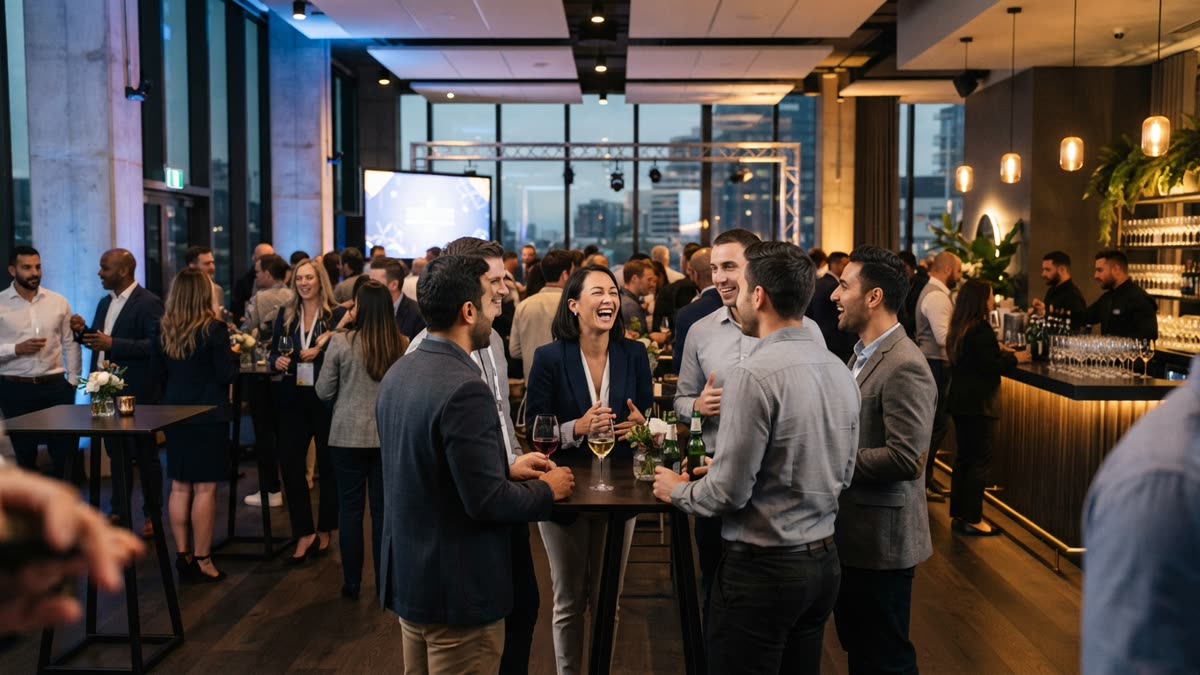
What this list is, and what it is not
This is a planner's reading of where corporate holiday party entertainment is heading in 2026. It is not survey data. We are not quoting percentages or market figures, because we have no source we would stand behind. The trends below come from how parties are being structured and from our own judgment, so treat them as informed opinion.
A disclosure up front: SnapDance makes an AI dance video app and an events product, and both are discussed below. We have tried to say where they fit and where they do not, and one section is devoted to the cases where you should buy something else.
The four trends in short:
- Entertainment guests keep on their phones, not just watch.
- Participation that does not require a stage.
- Personalized AI content, with consent rules attached.
- Pricing by output instead of by the hour, with fewer logistics.
Trend one: entertainment guests keep, not just watch
The first shift is in what counts as good entertainment. A hired act is something guests watch. Increasingly the ask is for something guests leave with: a clip, a photo, a message they can send to a friend on Monday. Office parties suit this well because the people in the room mostly know each other. They want a laugh they can share, not a performance they have to sit through.
This is a judgment, not a measured result. But it helps explain why photo booths, caricature artists and instant-video activations keep turning up on holiday party plans while formal programs get shorter. A shorter program also leaves more room for what many people say they value at these events, which is talking to colleagues they rarely see.
Practical consequences for planning:
- Treat the phone as the delivery device. If the keepsake lives on a guest's phone, it travels without printing or hardware.
- Keep it optional. Guests who skip the activity should not feel they missed the point of the evening.
- Decide where the output shows up. A shared screen turns individual keepsakes into a group moment, which matters when the goal is team bonding and not only a souvenir.
- Brand it lightly. A company logo or a short line of text on the keepsake is fine. Heavy branding makes people less likely to share it.

Trend two: participation without a stage
Karaoke, talent shows and open dance floors are the classic participation formats, and they share a problem: they ask people to perform in front of colleagues, sometimes in front of their manager. Plenty of teams enjoy that. Many do not, and a mixed group of new hires, introverts and senior leaders rarely agrees on it.
The direction we expect to continue is low-exposure participation: activities where a guest takes part privately and chooses whether to share the result. Phone-based trivia, collaborative playlists, photo-based activities and personalized video all fall in this group. The common feature is that the guest controls the audience.
A SnapDance dance video is one version of this. The guest does not dance. They supply one photo, pick a routine from a library, and the AI renders a short clip of them performing it. They decide who sees it. That is a different experience from a dance floor and it will not replace one. If your team loves dancing together, hire a DJ and clear some space.
The honest limit on this trend is that low-exposure activities can leave a party feeling quiet if they are the only thing on offer. Pair them with something that creates noise and movement in the room, such as music, food stations or a short group game.
Trend three: personalized AI video, and the consent question
AI-generated personal content is the trend most likely to be debated in the planning meeting, for good reasons and bad ones. To keep the debate concrete, here is how the SnapDance events product works. Guests scan a QR code, take or upload one photo, pick a dance, and get their own video on their phone. A venue screen can play the videos as they finish. The planner's logo and text can be placed on every video, and photos go through a moderation check before rendering.
The limits are worth stating plainly:
- Guests choose from a library of dance templates based on real choreography. They cannot request an arbitrary movement. If a dance is not in the library, the answer is no.
- Rendering is not instant. In the consumer app a clip takes a few minutes, and guests at an event should expect a wait before their video arrives.
- The result is a short clip, typically 10 seconds in the app, not a produced piece.
Then there is the workplace question. Putting someone's face into a dance video is funny when they chose it and uncomfortable when they did not. Our suggestions:
- Make participation opt-in and say so out loud.
- Tell HR or internal communications what the activity is before the party, not after a complaint.
- Confirm how photos are handled with whoever supplies the activation before you commit.
- Use surprise mode, where staff photograph attendees for a coordinated reveal, only with groups who have agreed to it, such as a leadership team in on the joke.
You can also test the experience yourself before suggesting it to anyone. New accounts in the consumer app get free credits, and free renders carry a small watermark.
Before you decide, see what a guest would get and try the app with free credits.
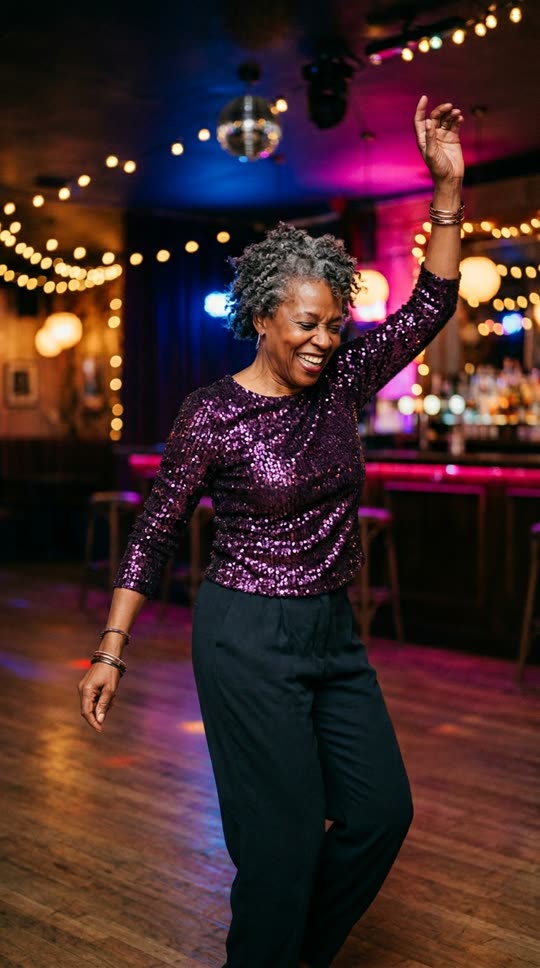
Before: one guest photo
After: the video made from that photo
Trend four: pricing by output and fewer moving parts
The fourth shift is about how entertainment is bought. Traditional vendors price by the hour, plus travel and sometimes an operator. A growing share of activations, in our judgment, are priced by output and need no equipment on site. For a planner this changes the question from how long do we need it to how many people will actually use it.
SnapDance publishes its events packages, priced per video and not per hour:
- Mini Event: $149 for 25 videos.
- Intimate Event: $299 for 50 videos.
- Signature Event: $699 for 150 videos, which works out to $4.66 per video.
- Large Events and Activations: a custom quote.
Extra video packs exist, but they are not priced publicly, so we will not guess at a figure. Ask for one before the event if you think you might run over.
There is no hardware, no transport and no operator, which removes load-in, staffing and a table taking up floor space. The tradeoff is that your cost scales with participation. That is predictable only if you can estimate uptake, and we are not going to give you a take-up rate, because it depends on the room and, as the next section explains, on whether anyone tells guests the activity exists.
How the main formats compare
No single format wins. This table compares common options on what they ask of guests, what they need on site, and the main way each tends to go wrong. It is qualitative on purpose.
| Format | What it asks of guests | What it needs on site | Main risk |
|---|---|---|---|
| Live band or DJ | Nothing, or dancing if they choose | Equipment, space, operator or performers | Wrong music for a mixed group |
| Photo booth with operator | A few minutes and a willingness to pose | Booth, power, an attendant | Queues and floor space |
| Karaoke | Performing in front of colleagues | Sound system, screen, host | Only the confident join in |
| Phone-based trivia or games | A phone and some attention | Connectivity and a host | Competitive people dominate |
| SnapDance events | One photo and a dance choice | Guest phones, venue connectivity, a venue screen if you want one | Weak reception, or no one announcing it |
Notice that the rows differ mostly in who bears the effort and the exposure. A DJ asks little of guests but a lot of the planner. A photo-based video activity asks little of the planner but depends on guests knowing it is there and on their phones working.
When SnapDance is the wrong purchase, and how it goes wrong on the night
We would rather lose a sale than see a bad evening, so here are the cases where SnapDance is the wrong choice.
- Poor venue connectivity. The events product depends on guests being able to scan a code, upload a photo and receive a video. A venue with bad reception is a bad fit. Check this before you book, not on the night.
- Nobody announcing it. This is the other thing that goes wrong. A QR code on a table with no explanation tends to be ignored. Someone, whether the host, the DJ or the emcee, needs to tell guests what it is and why they might want to try it.
- You want physical keepsakes. If printed photos or props are the point, a booth with an attendant is the better purchase.
- You want a specific movement. The dance library is fixed. If your team wants a custom routine or a joke about a particular colleague's signature move, this cannot deliver it.
- Your culture is wary of AI-altered images. If employees would feel uneasy, choose another format. Consent matters more than novelty.
- You need live energy. A video activity does not make a room loud. It complements a DJ or band and does not replace one.
If none of those apply, the format can work well as one part of a party, particularly for teams who want something light to share afterward. Planners, DJs, photo booth operators and venues can look at the packages and the setup details on the events page.
If you plan parties or run a venue, see how the events product works.
Whichever format you choose, a short checklist helps: confirm connectivity, decide who announces the activity, make it opt-in, and agree before the night what happens if more guests take part than you planned for.
Questions people ask
What are the biggest trends in corporate holiday party entertainment for 2026?
Based on our own judgment and not survey data, four shifts stand out: entertainment guests keep on their phones, participation that does not require a stage, personalized AI content with clear consent rules, and pricing by output with fewer logistics such as no hardware or operator.
What can I do at an office holiday party for people who hate karaoke?
Look for low-exposure activities where guests take part privately and choose whether to share the result. Phone-based trivia, collaborative playlists, photo activities and personalized video clips all work that way. Pair them with music or food so the room does not go quiet.
Is it okay to use AI to put employees in dance videos at a work party?
It can be, if participation is opt-in, guests are told what the activity is, and HR or internal communications knows about it in advance. Confirm how photos are handled with the supplier. Use any surprise reveal only with people who agreed to it.
How much does an AI dance video activity cost for a company party?
SnapDance publishes per-video packages: Mini Event is $149 for 25 videos, Intimate Event is $299 for 50, and Signature Event is $699 for 150, which is $4.66 per video. Large events are a custom quote. Extra packs exist but are not priced publicly, so ask before the event.
What goes wrong with QR code entertainment at a party?
Two things mainly: the venue has weak reception so guests cannot upload or receive anything, or nobody announces the activity so guests ignore the code. Check connectivity ahead of time and have the host or DJ explain it out loud.