You can earn from choreography without running classes by selling commissioned routines, licensing your work, packaging it as digital products, taking sponsored content, and adding event services. SnapDance is not a payout channel for choreographers, and this guide says so plainly, but its events product can be a useful add-on if you already work with planners.
Why classes are not the only route
Teaching is the default way for choreographers to earn because it is visible and easy to explain. It also ties your income to your hours. A full week of classes leaves little room to create anything new, and a quiet month shows up directly in your bank account.
The alternatives sell the work rather than your time in a room. Each one has its own costs. You need to find clients, handle contracts, build an audience, or take on the risk of making something nobody buys. None of them is automatically better than teaching, and most working choreographers combine several.
This guide covers the routes that do not depend on a weekly class, what each one asks of you, and where they tend to fall short. We are SnapDance, the company behind an AI dance video app and an events product, so one section is devoted to where our products help a choreographer and where they simply do not. If you are looking for a way to get paid for your routines, read that section before assuming anything.
Sell the routine itself: commissions
The most direct alternative to teaching is being hired to create choreography and hand it over. Typical clients include couples who want a staged first dance, companies planning an awards night or product launch, recording artists and their management, theatre and school productions, and brands making campaign content.
Commission work pays for the thinking and the design, not for repeated hours of instruction. To make it sustainable, quote per project instead of per hour, and write down the scope before you start:
- Who is performing: trained dancers, amateurs, or a mix.
- How many rehearsal sessions are included and what an extra one costs.
- Revisions: how many rounds of changes the fee covers.
- Rights: whether the client can film and share the routine, and whether you are credited.
The honest downside is that commissions are irregular and depend on relationships. Expect to spend real time on outreach, portfolio footage and follow-up, and expect some months to be empty. Clients also tend to find you through other event professionals, which is why planners, DJs and venues are worth knowing.
License and package the work
If you create routines that other people want to use, there are ways to be paid more than once for the same piece of work.
Licensing. A brand, game developer or fitness platform may pay to use a routine in a campaign or product. These deals are negotiated one at a time, and the terms matter more than the headline fee: how long the license runs, which territories and platforms it covers, whether it is exclusive, and how you are credited.
Digital products. Recorded tutorials, breakdown videos and routine bundles sold as downloads let you earn without being present. This is closer to teaching in content, but not in schedule, and you do the work once. The catch is that you have to bring your own audience. A product page does not create demand by itself.
Sponsored content and memberships. If you post choreography regularly, brands may pay for placements and fans may pay for early access or extra material. Platform payout programs change over time, so treat them as a bonus rather than a foundation.
A caution on rights: how copyright protects choreography differs between countries, and short social media dances sit in an unclear area. This guide is not legal advice. Get agreements in writing and ask a lawyer who handles creative work before signing anything exclusive.
Where SnapDance fits, and where it does not
To be direct: SnapDance is not a way to get paid for your choreography, and this guide does not describe any process for submitting a routine or being compensated for one. The consumer app works like this: a user uploads one photo of themselves, picks a dance from a library of templates taken from real choreography (many from TikTok creators), optionally picks music, and the AI renders a short clip of them doing that dance. The clip is typically 10 seconds, with 20 and 30 second lengths on some dances, and rendering takes a few minutes.
The library is fixed. A user cannot ask for an arbitrary movement, and if a dance is not in the library, the answer is no. That means the app is the wrong tool if you need your own new routine rendered on someone, or if you want to show a client a custom piece before you have built it.
It can still be useful in a smaller way. It lets you see how a library dance looks applied to a real person from a single photo, which is a quick way to understand what people share and why short dance clips travel. New accounts get free credits before any payment. Free renders carry a small watermark, while paid credits and a subscription render clean.
Curious what one photo turns into, you can try the SnapDance app with free credits.
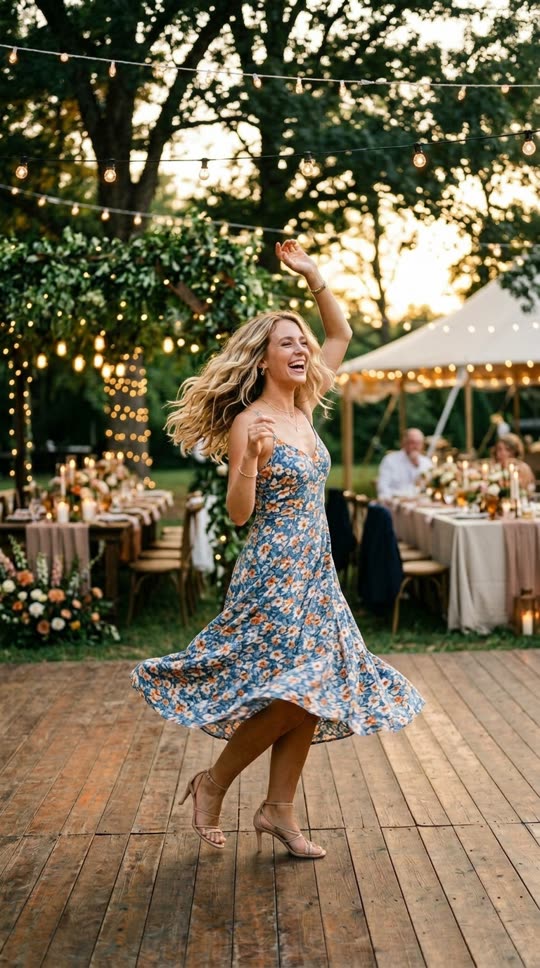
Before: one guest photo
After: the video made from that photo
The routes compared
No single route suits every choreographer. This table sets the main options side by side without pretending any of them is guaranteed income.
| Route | Who pays you | Main strength | Main limit |
|---|---|---|---|
| Commissioned routines | Couples, companies, artists, productions | Paid for design work, not hours of teaching | Irregular and relationship driven |
| Licensing | Brands, game studios, fitness platforms | One routine can earn more than once | Contract terms are complex and rights vary by country |
| Digital tutorials and bundles | Fans and learners | Made once, sold repeatedly | You need your own audience |
| Sponsored content and memberships | Brands and followers | Builds on content you already make | Depends on platform rules that change |
| Event add-on services | Planners, venues, hosts | Fits work you may already do for events | Needs a good event network and clear packaging |
If you are early in your career, commissions and digital products are usually the easiest to start because they do not require anyone else to say yes first. Licensing generally follows once you have a body of work people recognise.
Adding an event service to what you already offer
If you already work with planners, venues or corporate clients, you may be asked for something beyond a performance: a way for every guest to take something home. This is where the SnapDance events product can be relevant. It is built for planners, DJs, photo booth operators and venues.
Guests scan a QR code, take or upload one photo, pick a dance from the library, and receive their own video on their phone. A venue screen can play the videos as they finish. A surprise mode lets staff photograph attendees for a coordinated reveal. The planner's logo and text can be placed on every video, and photos go through a moderation check before rendering. There is no hardware, no transport and no operator.
Pricing is per video, not per hour. The published packages are Mini Event at $149 for 25 videos, Intimate Event at $299 for 50, and Signature Event at $699 for 150 videos, which works out to $4.66 per video. Large Events and Activations is a custom quote. Extra video packs exist, but their prices are not published, so we will not guess at them here.
It has real limits. It depends on venue connectivity, so a venue with bad reception is a bad fit. The other thing that goes wrong on the night is that nobody announces it to guests, and they never scan the code. Someone has to tell the room. Guests also choose from library dances, so it will not render your own custom routine. Whether and how to fold it into a package you sell is something to settle with SnapDance directly, since this guide does not state any reseller terms.
A practical way to choose
Rather than trying every route at once, pick one primary income source and one experiment. A simple order of operations:
- Document your best work. Clean footage, a short description and the context for each piece. Every route above relies on it.
- Choose one primary route that matches how you like to work: client projects, or building something that sells while you are away.
- Write a standard scope and agreement so every job states rehearsals, revisions, rights and credit.
- Talk to the people who hire for events. Planners, DJs and venues are a steady source of leads.
- Review after a few months. Keep what brought in work and drop what only consumed time.
The common thread is that you stop treating your hours as the only thing you can sell. Your routines, your design judgment and your reputation are all worth something separately, and the work is to find the buyers who value each one.
Questions people ask
Can I really make money from choreography without teaching classes?
Yes, though it usually takes a mix of sources rather than one. Common routes are commissioned routines for weddings, companies and artists, licensing to brands, digital tutorials, sponsored content and event services. Most of them depend on building a portfolio and a network, and income can be irregular.
Can I get paid if my dance is used in SnapDance?
This guide does not describe any submission or payout process, so we cannot promise one. The app's library is built from real choreography, many from TikTok creators, but nothing here says how creators are compensated. If this matters to you, contact SnapDance directly and ask before assuming anything.
Do I own the copyright to my choreography?
It depends on the country, and short social media dances are an unclear area. This is not legal advice. Put agreements in writing, be specific about credit and usage, and talk to a lawyer who handles creative work before signing any exclusive deal.
How should I price a commissioned routine?
Quote per project instead of per hour, and define the scope first: how many dancers, how many rehearsal sessions, how many revisions, and what rights the client gets. Pricing varies widely by market and experience, so look at what comparable choreographers in your area charge.
Is an AI dance video tool a good fit for an event I am choreographing?
Only for a different purpose. It lets guests make their own short clips from a fixed library of dances, but it cannot render your custom routine. It also needs decent venue connectivity, and someone has to announce it to guests or it goes unused.