Ask your team what they want before you book anything, choose a time that respects people's lives outside work, make attendance and every activity optional, feed everyone properly including people who do not drink, and finish on time. If you want one shared activity, a per-video AI dance product like SnapDance can suit some groups, but it needs good venue connectivity and someone to announce it on the night. It is the wrong choice for a team that dislikes being on camera.
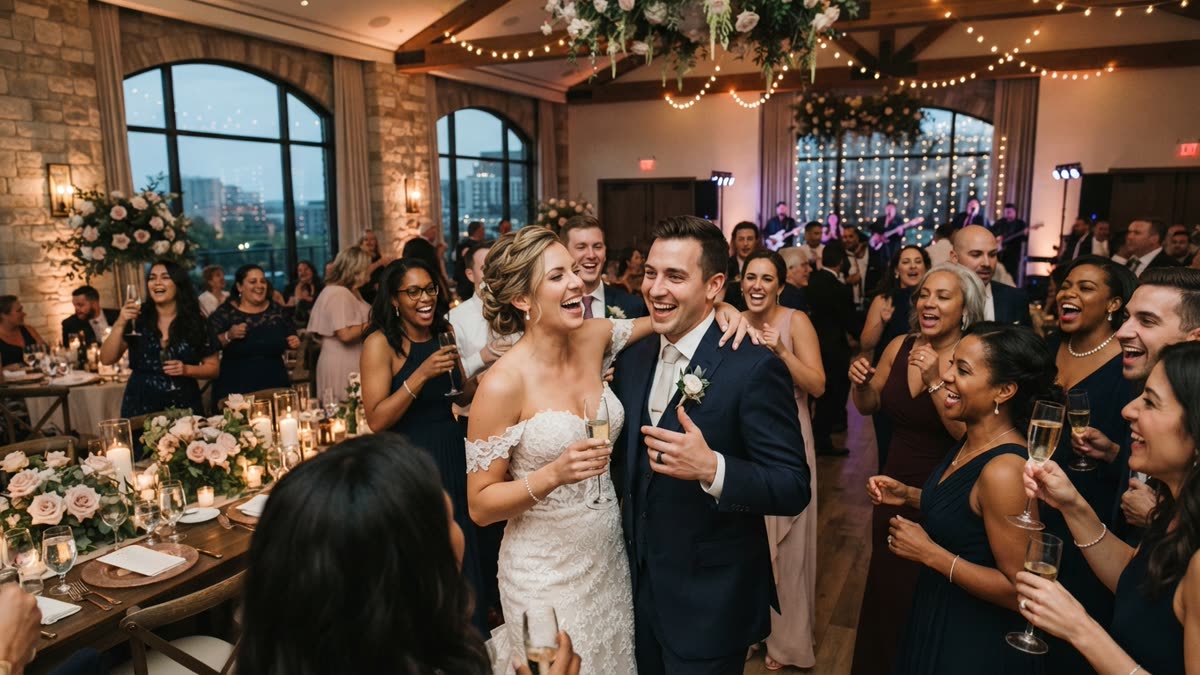
Ask your team before you book anything
Most disappointing office parties have the same cause: someone picked what they personally like, or what was easiest to book, and nobody checked. The fix is cheap. Send a short anonymous survey before you reserve a venue.
Five questions are enough:
- Which timing would you actually attend: a weekday lunch, a weekday evening or a weekend?
- Do you want a meal, activities or mostly conversation?
- Would you bring a guest?
- Are there food, drink or access needs we should plan around?
- Is there anything that would make you skip it?
Share the results afterward, even in two sentences. People accept a plan they did not choose much more easily when they can see their answers shaped it.
Then form a small planning group of three or four people from different teams and seniority levels. Include someone who works remotely or on shifts if you have them, because they are the ones most likely to be left out by default. A group also stops one person carrying the whole event, which tends to produce a party that reflects only that person's taste.
Choose timing that respects people's lives
Timing affects who shows up and whether they relax once they are there.
- Weekday lunch: easiest for parents, carers and people with long commutes. The downside is that people drift back to their inbox and it can feel less like a celebration.
- Weekday evening: the classic choice, with the most relaxed atmosphere. People with childcare duties or a long journey home may leave early or decline.
- Weekend: gives you the most time, but it asks people to give up their own time. If you choose it, treat that as a real cost and offer something back, such as time off.
Whatever you choose, publish a start time and an end time, and say plainly that people can leave when they like. An end time is a kindness. It tells quieter colleagues that they can come, be seen and go home without having to explain themselves.
Think about getting home as well. If alcohol is served, arrange transport or a taxi contribution and put it in the invitation. Check the date against end-of-year deadlines and other holidays your team observes. Your survey will usually surface these.
If your team holds a mix of beliefs, call it a holiday party or an end-of-year party. The decorations can still be festive. The name simply stops anyone feeling that attendance is an endorsement of something.
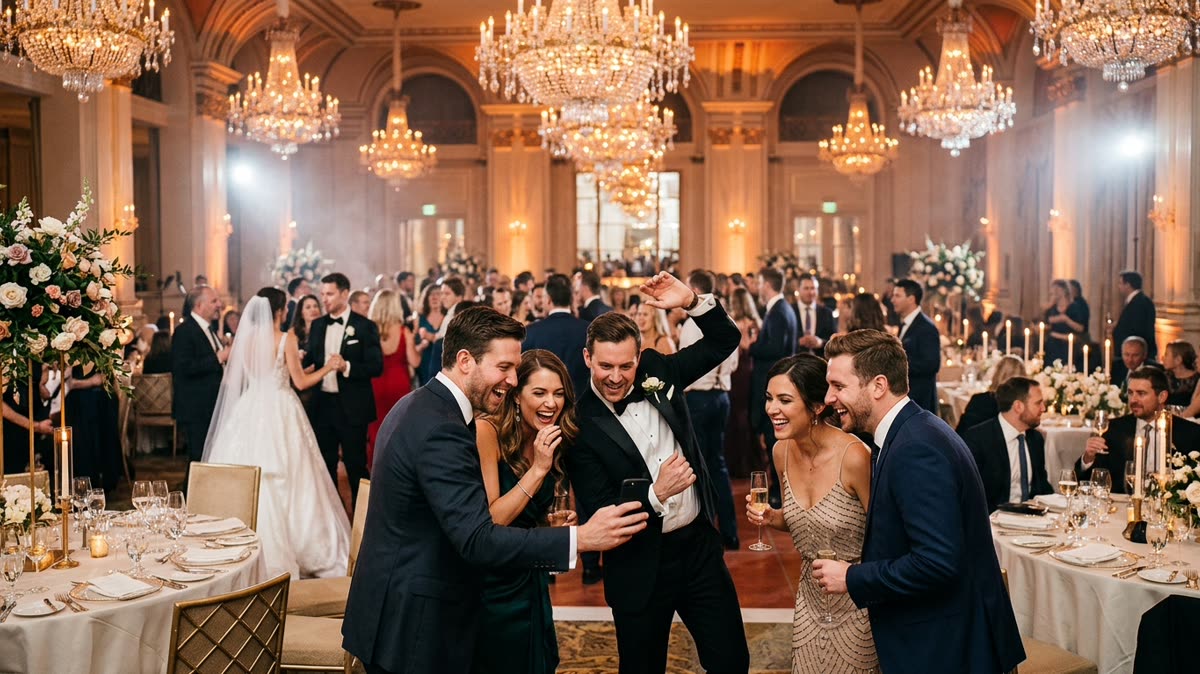
Food, drink and the people who are easy to forget
Food is where goodwill is won or lost. Collect dietary needs on the RSVP, not on the night, and label everything at the buffet or on the menu cards. A vegetarian guest who gets a plate of side dishes will remember it.
Treat non-alcoholic drinks as a real part of the menu. If the only alternative to wine is tap water or a sugary soft drink, you have told a share of your team that the party was not designed for them. Good alcohol-free options cost little and are noticed. Do not make alcohol the centerpiece of the evening, and consider limiting how much is free so that nobody feels pressure to drink.
A few other details that are easy to miss:
- Check that the venue is step-free and that there is a quiet corner for people who find a loud room tiring.
- Use open seating rather than assigned seats unless you have a specific reason. People will mix on their own, and forcing it feels like work.
- Make sure remote staff are included in some way, whether that is a food voucher, a shipped gift or a video call segment that is optional.
- Ask whether plus-ones are welcome, and decide early so that the invitation can say so.
Keep the program short and make every activity optional
The best parties have a light structure: a short welcome, a meal, something to do for people who want it, and an ending. Leadership speeches should be brief and should thank specific people for specific things. A long speech is the quickest way to turn a party back into a meeting.
The rule that matters most is that anything beyond eating and talking should be opt-in. People enjoy activities they chose to join. They resent the same activity when it is compulsory. Here is how common formats compare.
| Format | Works well when | Watch out for |
|---|---|---|
| Open seating meal | Almost any team | Long speeches and assigned seats that feel like work |
| Quiz or team games | Groups that like light competition | Forcing participation, or games that need specialist knowledge |
| Gift swap or Secret Santa | Teams that know each other well | Spending expectations that pressure junior staff or people on tight budgets |
| Karaoke | Confident, social groups | Colleagues who do not want to perform in front of managers |
| Volunteering together | Teams that want meaning more than a party | Harder to combine with a social evening |
| Personalized AI dance clips | Groups that enjoy a shared laugh and a keepsake on their phone | Venue signal, and people who do not want their image used |
No single row is right for every team. Your survey answers should decide which of these, if any, you add to the meal.

Before: one guest photo
After: the video made from that photo
Where an AI dance video fits, and what it costs
SnapDance makes the products discussed in this section, so weigh this as a vendor's description and not as neutral advice. The events product is built for planners, DJs, photo booth operators and venues. Guests scan a QR code, take or upload one photo, pick a dance from a library of templates taken from real choreography, and receive their own video on their phone. Videos are typically 10 seconds, with 20 and 30 second lengths on some dances, and rendering takes a few minutes.
For a company party, a few features matter:
- A venue screen can play the videos as they finish, which gives the room something to watch and laugh at together.
- The planner's logo and text can be placed on every video, so a company name or an end-of-year message can appear on each clip.
- Photos go through a moderation check before rendering.
- There is no hardware, no transport and no operator to book. Guests use their own phones.
- Surprise mode lets staff photograph attendees for a coordinated reveal.
It is priced per video, not per hour. These are the published packages:
| Package | Videos included | Price |
|---|---|---|
| Mini Event | 25 | $149 |
| Intimate Event | 50 | $299 |
| Signature Event | 150 | $699 ($4.66 per video) |
| Large Events & Activations | Custom | Custom quote |
Extra video packs exist, but they are not priced publicly, so ask before you assume a figure. When choosing a package, think about how many people will actually try it. Not everyone will, and some will want to make more than one.
See how the events product works for a company party.
When it is the wrong purchase, and what goes wrong on the night
SnapDance is the wrong purchase in several situations, and it is better to know them before you pay.
- Poor connectivity. The product depends on venue connectivity. If your venue has bad reception, it is a bad fit, and a restaurant basement or a remote barn deserves a test before you commit.
- A library, not a free-for-all. Guests choose from the dance templates available. If a dance is not in the library, the answer is no, and nobody can request an arbitrary movement.
- A camera-shy team. If your survey shows that people dislike being photographed, skip it. A fun idea that makes people uneasy is not fun.
- A quiet dinner. If your team wants conversation and nothing else, you do not need it.
The other thing that goes wrong is silence. Nobody announcing it to guests is the most common failure on the night, because a QR code that nobody explains is just a square on a table. Give one person the job. Have them mention it at the start, again after the meal, and put the code on table cards and on the venue screen.
If you use surprise mode, think about consent. A photo of a colleague turned into a dance clip is personal, even when it is meant kindly. Tell people in advance and let anyone opt out without having to explain.
If you want to judge whether your team would find this funny, the consumer app is a low-risk way to try. You upload one photo, pick a dance and optionally music, and the app renders a short clip. New accounts get free credits before any payment. Free renders carry a small watermark, while paid credits and a subscription render clean.
Test it on yourself first with the free credits on a new account.
A simple timeline, and what to do afterward
You do not need a complicated schedule. This order works for most teams:
- Send the survey and share the results.
- Form the planning group, agree a budget and choose the date.
- Book a venue that is accessible and, if you plan to use phones for an activity, has reliable signal.
- Send the invitation with the start time, the end time, transport help, plus-one rules and a dietary question.
- The week before, confirm numbers, brief the person who will make announcements and check any activity that relies on connectivity. If you use SnapDance, test the QR code on a few different phones at the venue.
- On the night, keep the welcome short, serve food early and finish when you said you would.
Afterward, send a thank-you note and ask one or two feedback questions. Write down what worked and what did not while it is fresh. Next year's planning group will be glad to have it, and your team will see that their feedback led somewhere.
Questions people ask
What time should a company Christmas party be held?
It depends on your team, which is why a short survey helps. A weekday lunch is easiest for parents, carers and people with long commutes. An evening is more relaxed but can exclude people with other commitments. A weekend asks for personal time, so offer something in return. Whatever you choose, publish a start and an end time and say that people can leave when they like.
Should a company Christmas party be mandatory?
No. Attendance and every activity beyond the meal should be optional. People enjoy events they chose to join and resent ones they were pushed into. Make the invitation warm, explain what will happen, and respect it when someone declines.
How do I plan an inclusive holiday party for a mixed team?
Call it a holiday or end-of-year party, ask about dietary and access needs on the RSVP, offer good non-alcoholic drinks, choose a step-free venue and avoid making alcohol the focus. Include remote and shift workers in some way, and keep activities optional.
Is an AI dance video a good idea for an office party?
It can be, for groups that enjoy a shared laugh and a keepsake on their phone. It is a poor fit for teams that dislike being photographed, venues with weak reception, or parties meant to be quiet. Run a survey first, and let anyone opt out.
How does SnapDance work at a company event?
Guests scan a QR code, take or upload one photo, pick a dance from a library and get their own video on their phone, usually 10 seconds long. A venue screen can play videos as they finish, and your logo and text can appear on each one. It is priced per video, with Mini Event at $149 for 25 videos, Intimate Event at $299 for 50 and Signature Event at $699 for 150.